
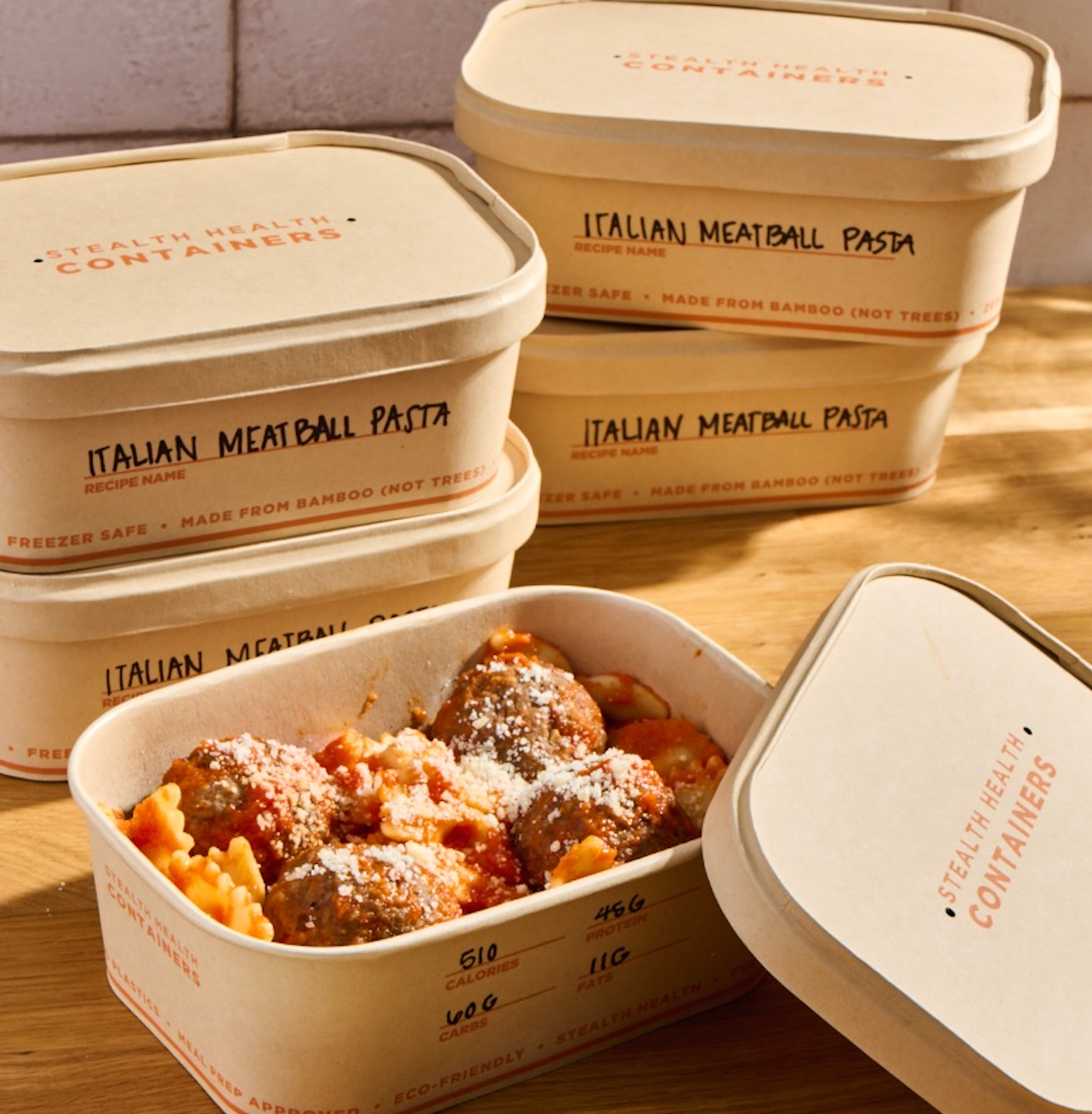

Americans lose about $728 each year to food they never eat and only about a third of the country has access to curbside or drop off composting which makes disposal choices tricky. This guide focuses on plant fiber disposables that stack well, reheat safely and fit real home kitchens across the U.S.
People call out the same headaches: plastic holds smells, lids pop open in a bag and not every compostable container is safe to microwave unless the label clearly says so. Confusing date labels also push many shoppers to toss food early according to recent national surveys.
Here you get U.S. picks with simple checks like heat and freeze, stackability and clear end of life notes so you know what to do after meals. That way your meals keep their taste and texture while your routine moves closer to zero waste.
What to Look for in Zero Waste Containers
- Look for verified compostability under ASTM D6400 or D6868 with BPI or CMA field acceptance, fiber-only build, and no added PFAS.
- Look for a stated temperature window covering freezer to microwave (e.g., −20 °C to +180–200 °C) with vented reheating and no bioplastic lids during heat cycles.
- Look for tight snap-fit fiber lids engineered to resist leaks in transit, with rim geometry that maintains seal after reheats and freezes.
- Look for moisture/oxygen control via low WVTR/OTR surfaces and sizing that minimizes headspace to preserve texture and reduce staling.
- Look for modular volumes (16/24/32 oz families) sharing the same lid, plus divider options to separate wet and dry foods.
- Look for high nesting efficiency and stable stackability (no lid creep) for fridge/freezer columns and pantry storage.
- Look for clear on-pack guidance—ASTM/BPI marks, microwave/freezer icons and How2Compost or local program notes for correct end-of-life.
- Look for FDA 21 CFR-compliant food contact, fluorination-free grease resistance, CONEG heavy-metal limits, and U.S. distribution with published LCA/EPD when available.
Rapid Rundown for Disposable Containers with Zero Waste
Fast compare at a glance. U.S.-based names with global reach, fiber-first builds, microwave and freezer friendly options, and clear compostability notes to fit zero-waste living.
|
Comparison Table for Top Disposable Food Containers
| Brand | Build & Heat/Freezer Performance | Best For | Typical Price* |
|---|---|---|---|
| Stealth Health Containers | Bamboo-fiber bases with snug fiber lids; microwave-safe and freezer-safe; vented lids for reheats. | Zero-waste meal prep at home; tidy freezer columns; plastic-free reheats. | $58.79 (50-pack), $104.99 (100), $148.99 (150) |
| Patra Eco-Dinnerware | Palm-leaf; microwave/oven/fridge safe; backyard-compostable. | Plastic-free serving and short-term storage. | 10″ plate ~$32.99; 4″ plates $18; tray from $16; free U.S. shipping $100+. |
| Sabert | Fiber-pulp containers with tight-fit lids; microwave and freezer suitable on listed SKUs; broad U.S. distribution. | Takeout-style meal prep, divider options, interchangeable lids. | 32-oz 3-comp fiber square (300/case) $250.34 |
| Footprint | PFAS-free, plant-fiber clamshells and trays engineered for heat durability and moisture resistance (enterprise-grade). | Large-scale ops or buyers needing PFAS-free fiber at volume. | RFQ / enterprise pricing |
| WestRock | Paperboard one-piece boxes with moisture/grease barrier; recyclable in many communities; microwaveable SKUs. | “Chinese-style” fold-tops for meals and sides; strong carry-out performance. | Terra II #1, 450/case ≈ $107.95/case |
| Graphic Packaging International | Fiber to-go trays/containers; grease/moisture-resistant trays; broad foodservice range. | Party trays, cafeteria lines, and event service needing paper trays. | Carry-out tray 250/case ≈ $85.95 |
| GP PRO (Georgia-Pacific) | Paper/fiber takeout containers; leak-resistant, microwavable designs; U.S. nationwide supply. | Lunches and hot/cold meals with simple fold-top or windowed boxes. | Varies by reseller |
#1 – Stealth Health Containers

Stealth Health Containers are plant-fiber meal-prep boxes built for weekly batch cooking. Snug fiber lids help prevent leaks and keep texture steady, and the set is microwave-safe and freezer-safe. Rigid walls and flat, stackable lids make tidy fridge columns and easy grab-and-go meals without plastic.
How They’re Made:
Renewable bamboo fiber is pulped, pressed, and thermo formed, then paired with a plant based moisture barrier and tight fit vented fiber lids. Contact surfaces are plastic free and the set is built for U.S. kitchens and foodservice with clear use guidance.
Why It Made Our List
- Fully plant fiber built with no petroleum plastic lids for reheats.
- Vented snap on fiber lids support even microwaving and reduce lid lift.
- Freezer safe walls sized for batch prep and tidy stacking.
- Leak resistant hand feel for soups and saucy mains in transit.
- Clear instructions page for heat, freeze, and end of life notes.
Stealth Health Containers Pricing
- 50 pack: $58.79
- 100 pack: $104.99
- 150 pack: $148.99
#2 – Patra Eco-Dinnerware

Patra’s areca palm-leaf plates, bowls, and trays give you plastic-free, fridge-to-table convenience with real heat tolerance. Pieces are backyard-compostable, microwave- and oven-safe, refrigerator-safe, and chemical-free, with a naturally rigid feel that resists leaks for sauces and juicy mains.
How They’re Made
Patra collects naturally fallen areca palm leaves, steam-cleans them, and heat-presses each plate, bowl, and tray with no coatings or added chemicals. That gives a food-safe surface that handles reheats without plastic liners.
Why It Made Our List
- Backyard-compostable, chemical-free material for truly plastic-free serving.
- Microwave & oven suitable, and refrigerator-safe and leak-resistant on product pages.
- Modular shapes that stack neatly for meal prep and events.
- U.S. availability direct from the site; Canada supported international orders. 30-day returns for unused items.
Patra Pricing
- 10″ Square Classic Plate: listed at $32.99.
- 4″ Square Plates: listed at $18.00.
- 13″ Rectangle Tray: listed from $16.00.
#3 – Sabert Green Collection

Sabert Green Collection features molded-fiber bowls and clamshells with secure, tight-fit lids for hot or cold meals. Selected SKUs are microwave- and freezer-friendly, with certified compostable options and divider choices to keep mains and sides separate and neatly stacked.
How They’re Made:
Sugarcane pulp is formed into bowls, clamshells and square containers, with unlaminated and laminated options, and matched to PET or PP lids by SKU. The Green Collection includes certified compostable items.
Why It Made Our List
- Offers certified compostable options within the Green Collection portfolio.
- Covers microwave and freezer use on specified molded fiber SKUs.
- Uses double lock and tight fit lid designs to resist leaks in transit and storage.
- Delivers broad U.S. availability with size depth for mains sides and catering trays.
Sabert Pricing
- 32 oz square fiber container 3 compartment case 300: $130.00 at a U.S. reseller snapshot.
- 9 × 9 in pulp hinged container and related SKUs: varies by reseller and SKU with current availability across wholesale sites and Sabert’s catalog.
#4 – Footprint

Footprint makes PFAS-free, plant-fiber clamshells and trays engineered for heat durability and moisture resistance. Many programs support microwave reheats and freezer storage, stack securely for batch cooking, and help large buyers cut plastic at scale.
How They’re Made:
Footprint develops molded fiber bases and lids using proprietary coatings and forming to replace short term plastics, with enterprise scale supply across the U.S. and global partners. Product and certification details vary by SKU and program.
Why It Made Our List
- Uses PFAS free fiber systems aimed at high heat durability and grease resistance.
- Covers large volume operations with designs that minimize plastic in reheats.
- Offers clamshells and trays that support reliable stacking for batch cooking.
- Provides enterprise implementation with material science support for specs.
Footprint Pricing
- Enterprise RFQ via Footprint and authorized partners. Retail style case pricing is not posted on the brand site.
#5 – WestRock Fold Pak Bio Plus Terra II

WestRock (Fold-Pak Bio-Plus Terra II) offers paperboard, one-piece fold-top boxes with an aqueous (plastic-free) barrier. Many SKUs are microwave-reheatable and freezer-friendly, stack cleanly without separate lids, and are recyclable or commercially compostable where accepted.
How They’re Made:
Terra II uses 100 percent recycled paperboard with a minimum 85 percent post consumer fiber and an aqueous coating that provides grease and moisture resistance. The line carries BNQ commercial compostability and is promoted for microwave reheat and freezer use on reseller listings.
Why It Made Our List
- Uses recycled paperboard with an aqueous barrier instead of plastic film liners.
- Covers microwave reheat and freezer suitability on listed SKUs for daily use.
- Offers leak resistant fold tops that avoid separate lid inventory and stack cleanly.
- Provides clear BNQ commercial compostability with broad U.S. distribution.
WestRock Pricing
- 450 per case: $120.00 per case at SupplyClub.
- Additional Terra II sizes are available through national wholesalers with price by SKU and case count.
#6 – Graphic Packaging International

Graphic Packaging International provides sturdy paperboard trays and carry-out containers that nest and stack cleanly. Select trays are curbside recyclable where accepted, and sizes cover mains, sides, and party spreads practical for weekly meal prep without plastic.
How They’re Made:
Uncoated paperboard is die cut and glued into single piece trays with strong carton strength and flat storage; trays can be flattened and placed in curbside recycling where accepted.
Why It Made Our List
- Uses robust paperboard construction with carry strength for meals and sides.
- Covers curbside recycling guidance on current carry out tray brochure.
- Offers multiple sizes and cup holder options for organized stacking.
- Provides nationwide foodservice availability with updated catalog support.
Graphic Packaging Pricing
- Kraft Super J Carry Out Tray 10 × 6.75 × 4 in, 250 per case: $85.95 per case at FoodServiceDirect.
- Additional carry out tray sizes available through distributors with price by SKU and case count.
#7 – GP PRO Dixie

GP PRO (Dixie) offers paperboard takeout boxes with leak-resistant, reclosable tops for hot or cold meals. Many SKUs are microwavable, made with recycled paperboard, and stack neatly for weekly meal prep check item pages for specific heat and end-of-life guidance.
How They’re Made:
Natural paperboard is folded into reclosable one piece boxes with a four flap top and tuck tab lock; product pages list 100 percent recycled paperboard and microwavable design on select SKUs.
Why It Made Our List
- Uses recycled paperboard with leak resistant and microwavable design on listed items.
- Covers clear size and capacity options for mains sides and sauces.
- Offers broad U.S. distribution across foodservice wholesalers and retail channels.
- Provides product identifiers like 3TOC and 4TOC for easy reorder and matching lids where applicable.
GP PRO Dixie Pricing
- Reclosable Takeout Container 3TOC 66 oz, 200 per case: listed across wholesalers with pricing shown to account holders or at checkout.
- Reclosable Takeout Container 4TOC 96 oz, 160 per case: listed on the GP PRO site and major marketplaces with price by reseller.
How To Choose Your Final Pick
- Check the heat and freeze range so it works from freezer to microwave without warping.
- Pick fiber lids for reheats and make sure the lid actually fits tight after heating.
- Match sizes to your meals so there’s little empty space and stacks stay neat.
- Look for “no added PFAS” and clear food-contact wording on the package.
- Confirm composting or recycling rules in your city so the end of life is simple.
- Compare price per container, not just case cost, to fit your weekly budget.
- Test for leaks with water first so soups and sauces travel safely.
- Choose families that share one lid across 16/24/32 oz to cut clutter.
- Prefer brands with plain use icons and short care notes you can follow fast.
FAQs
Are compostable lids safe in the microwave?
Skip clear PLA lids for heat; they can warp at low temps and aren’t made for microwaves, so use fiber lids instead for reheats.
Do all “compostable” boxes break down at home?
No, most are made for industrial compost sites, so look for BPI marks or OK compost HOME if you want backyard results.
Where do these go if my city lacks compost pickup?
Follow your local rules; many areas still trash fiber packaging, while some accept food waste only or allow certain certified items.
What’s a quick leak test before meal prep?
Fill with water, snap the fiber lid, and tip briefly; a good snap fit should not weep at the rim before you trust it with soup. (General best practice; support from vendor specs and user reports.)
How do I cut smells while saving scraps for compost?
Many users freeze kitchen scraps in a paper bag or bin to stop odors and fruit flies until drop off day.
Are compostables really better now that PFAS is being phased out?
The FDA reports PFAS grease proofing for paper food packaging is no longer sold in the U.S.; disposal still depends on local access, so prioritize waste reduction too.
What simple safety timing should I plan around?
Cool leftovers fast in shallow containers and use the federal cold storage chart as your baseline for fridge and freezer timelines.